Optimizing Natural Lighting: Innovative Methods to Use Rooflights in Your Home Design
Optimizing daylight in house planning is a thoughtful approach that can significantly elevate living spaces. Rooflights offer a exceptional solution for channeling sunlight into various areas of the home. Their strategic placement not only lights up rooms but also creates an appealing atmosphere. Understanding how to efficiently incorporate these features can transform a house into a dynamic sanctuary. The next steps involve exploring targeted design ideas that align with different spaces and functions.
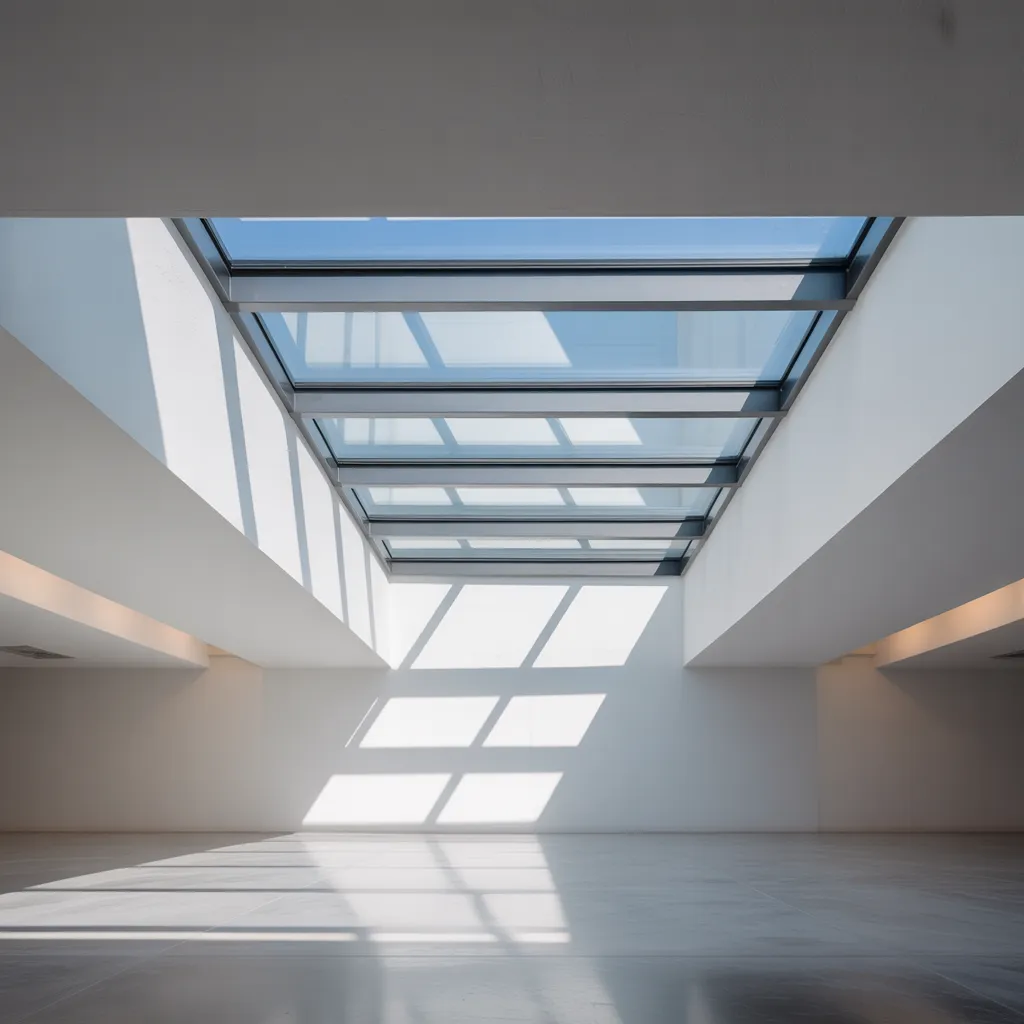
Selecting the Right Rooflight Design for Your Space
When picking a rooflight design, it is vital to take into account the unique characteristics of the space to secure maximum natural light penetration. Factors such as the room's orientation, size, and function play a key role in determining the most ideal rooflight type. For example, south-facing rooms profit from larger rooflights to capture maximum sunlight throughout the day, while north-facing spaces may demand smaller units to prevent overheating.
Additionally, the pitch and shape of the roof affect the selection of rooflight. A flat roof may support a skylight, while a pitched roof is often better suited for a lantern design. Furthermore, aesthetics should not be overlooked; opting for a style that complements the overall architecture improves visual appeal. Overall, a thoughtfully designed rooflight design not only boosts natural light but also enhances the ambiance and functionality of the space, creating a cohesive environment.

Enhancing Open Design Living Using Rooflights
Open concept living areas flourish with the seamless flow of illumination and ventilation, making rooflights a worthwhile enhancement. These architectural additions not only enhance the lighting but also increase the sense of spaciousness. By integrating rooflights into the design, homeowners can create a more inviting atmosphere where natural light bathes the interior, reducing the need for artificial illumination during the day.
Strategically positioned rooflights can brighten essential zones such as kitchens, dining rooms, and living areas, further blurring the distinctions between indoor and outdoor spaces. This bond to nature encourages a sense of wellness and tranquility. Additionally, rooflights can be designed to suit the entire aesthetic of the home, establishing a cohesive look.
Finally, rooflights serve as an essential element in elevating open concept living, fostering a lively and airy environment that promotes interaction and relaxation among family members and guests alike.
Building a Cozy Setting in Bedrooms Using Natural Light
Natural illumination can convert a bedroom into a tranquil haven, boosting its comfort while encouraging restful moments. With the installation of rooflights, homeowners can flood their sleeping spaces with sunlight, generating an energizing ambiance that supports peaceful slumber. The gentle, organic light works to blur the room's boundaries, creating a sense of increased space and warmth.
Strategically placed rooflights can enable adjustable light levels throughout the day, which can be especially beneficial for those who enjoy reading or meditating in their bedrooms. To further elevate the warm ambiance, soft textiles, such as plush bedding and curtains, can enhance the natural glow.
Ornamental features like plants excel in natural light, creating a calming environment. In general, incorporating rooflights in bedroom design not only optimizes natural light but also promotes a cozy atmosphere that encourages relaxation and well-being, making it an ideal retreat for unwinding after a long day.
Using Rooflights in Kitchens for Bright and Airy Cooking Spaces
Incorporating rooflights into kitchen design not only elevates the aesthetic appeal but also significantly enhances the functionality of cooking spaces. Natural light floods the area, creating an inviting atmosphere that makes cooking more enjoyable. Rooflights can transform dark, confined kitchens into luminous, spacious environments, greatly elevating the overall mood of the home.
By strategically placing rooflights above critical work areas, such as islands and countertops, homeowners can ensure adequate illumination for meal preparation and cooking tasks. This innovative design choice also minimizes reliance on artificial lighting, contributing to energy efficiency.
In addition, rooflights can establish a effortless connection with the outdoors, permitting the beauty of nature to complement culinary creativity. The amplified daylight can further enhance the colors and textures of food, making cooking a more lively experience. Ultimately, rooflights serve as a efficient and modern solution for modern kitchen designs.
Incorporating Rooflights in Bathrooms for a Relaxing Spa Feel
Integrating rooflights in bathrooms can significantly enhance natural ventilation and create a tranquil, spa-like atmosphere. The incorporation of natural light not only brightens the space but also promotes a calming environment. This design choice transforms a utilitarian area into a serene retreat, making it an ideal setting for relaxation.
Enhancing Natural Ventilation
Converting a bathroom into a tranquil spa-like retreat can be substantially enhanced by the strategic installation of rooflights. These architectural learn the details features not only bathe the space with natural light but also enable effective ventilation. When placed correctly, rooflights can generate a natural airflow, permitting fresh air to circulate and stale air to escape. This is particularly beneficial in bathrooms where humidity levels can rise significantly due to showers and baths. By integrating operable rooflights, homeowners can easily regulate temperature and moisture, reducing the risk of mold growth. The combination of natural light and better ventilation creates a calming atmosphere, making the bathroom feel more spacious and inviting, reminiscent of a luxurious spa experience.
Creating Mood Lighting
While natural light is crucial for any space, its strategic use in bathrooms can greatly enhance the overall ambiance and create a spa-like atmosphere. Incorporating rooflights allows subtle, diffused sunlight to fill the room, reducing harsh shadows and creating a serene environment. This gentle illumination can transform a regular bathroom into a tranquil retreat, encouraging relaxation during baths or showers.
Moreover, rooflights can be crafted to open, providing ventilation and an additional connection to nature. The play of light throughout the day can also emphasize textures and colors in tiles and fixtures, improving the aesthetic appeal. By thoughtfully placing rooflights, homeowners can establish a harmonious blend of functionality and ambiance, elevating their bathroom experience to one of pure indulgence.
How Rooflights in Home Offices Enhance Productivity
With the growing trend of remote employment, establishing a productive workspace at home becomes crucial, and rooflights present a distinctive option to increase productivity. By permitting abundant natural light into a workspace, rooflights assist in minimizing eye strain and fatigue, cultivating a more pleasant environment. Natural light has been associated with elevated mood and energy levels, which can substantially affect work performance.
Additionally, rooflights create an illusion of space, making smaller home offices appear more open and inviting. This heightened sense of openness can encourage creativity and focus, critical elements for effective work. Furthermore, they contribute to better ventilation, ensuring a fresh and invigorating environment.
Integrating rooflights into home workspace design not only enhances natural light but also encourages a healthier lifestyle, ultimately leading to higher productivity levels. By investing in this cutting-edge feature, individuals can turn their workspace into an inspiring sanctuary that promotes success.
FAQ
How Do Rooflights Influence Energy Efficiency in My Property?
Roof windows enhance energy efficiency by minimizing reliance on artificial lighting, enabling passive solar heating, and optimizing ventilation. Their strategic placement can considerably reduce energy consumption, generating cost savings and a decreased environmental footprint for homeowners.
How Much Maintenance Do Rooflights Need?
Ongoing maintenance for rooflights includes wiping the glass to minimize dirt buildup, inspecting seals for moisture penetration, assessing frames for damage, and ensuring appropriate drainage. Routine assessments help sustain efficiency and extend their lifespan.
Are Rooflights Support Ventilation?
Absolutely, rooflights can improve ventilation by enabling warm air to escape and facilitating cross-ventilation when strategically placed. This enhances airflow within a space, contributing to improved indoor air quality and overall comfort.
Are There Building Regulations for Installing Rooflights?
Building regulations do exist for rooflight installations. These requirements commonly address energy efficiency, safety standards, and structural integrity, confirming that installations comply with local building codes and won't harm the environmental surroundings.
What Size Rooflight Do I Need?
To select the right size for a rooflight, it's important to consider the room's dimensions, desired light levels, and architectural style. Maintaining proportionality with surrounding structures elevates aesthetics and functionality while improving natural light.